
Extra Large Candle Guide: Styling, Safety and Care
You've styled the coffee table, fluffed the cushions and created the sort of open-plan living room that makes you want to invite people over just so they can admire it. Then you light a tiny candle and realise it looks a little lost, like a lone thongs-wearing tourist at a black-tie event. An extra large candle can bring the visual weight, fragrance and warm glow that a generous room needs, but bigger isn't automatically better. The right wax, wick, vessel, placement and care make all the difference.
Table of Contents
- What Actually Qualifies as an Extra Large Candle
- Choosing the Right Wax, Wick and Vessel
- Safety and Placement Rules for Oversized Formats
- Styling Your Statement Candle Around the Home
- Essential Care and Maintenance for a Perfect Burn
- Gifting and Wholesale Opportunities for Boutiques
- Common Misconceptions About Large Format Candles
What Actually Qualifies as an Extra Large Candle
An extra large candle is less about one universal measurement and more about scale, purpose and performance. It's the candle you choose when a standard jar feels too small for a wide dining table, a high-ceilinged entryway or a roomy living area. Rather than sitting still on a shelf, it acts as a centrepiece, adding height, shape and fragrance to the room.
You'll find oversized candles in substantial jars, wide vessels and pillar formats. Some have one central wick, while others use multiple wicks to distribute heat across the wax. The important thing is that the vessel is designed for the candle's size and burning behaviour, not just filled with more wax and left to fend for itself.
Size is only half the story
A large candle needs enough surface area to create a useful melt pool without overheating one part of the vessel. A wide container with a single wick may tunnel through the centre, leaving a thick ring of wax around the edge. A multi-wick design may reach the outer wax more effectively, but it also creates a larger heat footprint and needs careful testing.
That's why you shouldn't judge an extra large candle by weight alone. Look for clear care instructions, a stable vessel, suitable wick construction and information about how the candle should be burned. A beautiful oversized piece should feel considered from the first light to the final pool of wax.
The practical test: Choose a statement candle that suits the room, then check whether its construction suits the scale. A dramatic vessel without reliable burn guidance is décor first and fragrance second.
What to expect from the fragrance
The appeal of a large format isn't just a bigger glow. A well-made oversized candle can create a more noticeable scent presence in an open-plan space because it offers a larger fragrance surface and a more substantial wax reservoir. The result should feel enveloping rather than aggressively perfumed, like coastal air drifting through a Sunshine Coast home instead of someone emptying a fragrance cupboard into it.
Burn time varies with wax, wick arrangement, vessel width, fragrance composition and how you use the candle. Be wary of guaranteed long-lasting performance based only on size. A candle that's burned in a draught, left with an overlong wick or extinguished before the melt pool forms properly may perform poorly regardless of how generous the vessel looks.
For most homes, an extra large candle works best as a statement fragrance object. Place it where people naturally gather, give it room to breathe and let the scent support the mood. It might be a creamy, grounding fragrance for slow evenings, a native floral that brings the bush indoors or a crisp coastal blend that makes Monday feel slightly less Monday-ish.
Choosing the Right Wax, Wick and Vessel
A large wax reservoir magnifies every design decision. The wrong wick can create soot, an uneven melt pool or excessive heat. An unstable vessel can become a worry rather than a relaxing feature. Before buying, look past the label and consider how the wax, wick and container work together.
Natural soy wax is often chosen for its soft, creamy appearance and its suitability for home fragrance. Blushing Ivy's candle range uses 100% pure soy wax, lead-free cotton wicks and Australian-made, essential oil-based fragrances, according to the supplied product information. Soy wax doesn't magically solve every burn problem, but a quality formula paired with the right wick can provide a gentle, consistent experience.
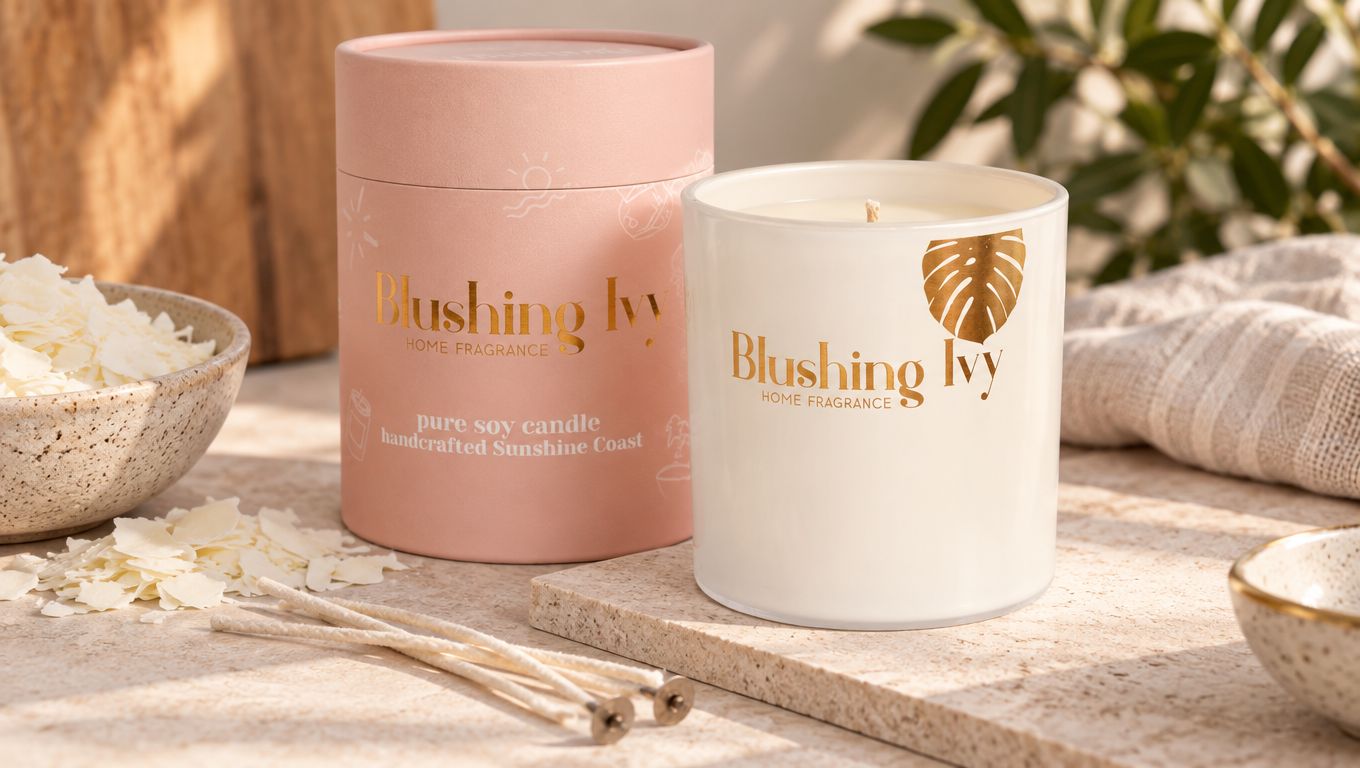
The anatomy of a well-made large candle
Wick choice matters because the flame has to melt wax at a controlled rate. Large formats may use two or more wicks to spread heat across a wider surface. That arrangement can help reduce tunnelling, but it also demands accurate spacing and testing. Lead-free cotton wicks are a sensible construction detail, and Australian product-safety rules permanently ban candle wicks containing more than 0.06% lead from sale, as explained by Australia's product-safety guidance.
The vessel should sit flat, resist heat and feel difficult to knock over. Avoid decorative containers with narrow bases or light materials that can become unstable as the candle warms. A generous candle deserves a generous landing spot, not the precarious corner of a bookshelf beside a stack of magazines.
For a familiar everyday format, the Classic Soy Candle is described as a 400g, 100% soy wax candle with a burn time of 40 hours plus, available across the fragrance collection. It comes in the Coastal range's opaque white glass container with gold foil detailing and customised blush pink cylinder packaging. That's not the same scale as every extra large candle, but it demonstrates the basics of a considered product: matched materials, clear care guidance and a vessel designed to be enjoyed and reused.
| Feature | Natural Soy Wax | Paraffin Blends |
|---|---|---|
| Wax character | Soft, creamy wax often selected for its natural plant-based composition | Mineral-based or blended wax with varied formulations |
| Burn behaviour | Needs a correctly matched wick and careful first burn | Also depends heavily on wick, fragrance load and vessel design |
| Fragrance experience | Can support a smooth, expressive scent profile when properly formulated | May offer strong fragrance performance, depending on the blend |
| Large-format consideration | Requires attention to melt-pool development and vessel temperature | Requires the same careful testing, especially with wide or multi-wick formats |
| Best buying signal | Clear materials, wick details and care instructions | Clear materials, wick details and care instructions |
If you're curious about why multiple wicks are used, Blushing Ivy's guide to three-wick candle design offers useful context. Whatever the wax type, don't assume a heavier fragrance or a wider vessel guarantees a better throw. Good performance comes from the whole system working together.
Safety and Placement Rules for Oversized Formats
A large candle is a higher-load heat source than a small tealight. That doesn't mean it belongs in the too-hard basket. It means you need to give it a stable home, keep the surrounding area clear and stay present while it burns.
Australian fire guidance recommends placing candles on a stable, heat-resistant surface at least one metre away from curtains and other combustible materials, and never leaving them unattended. The Country Fire Authority's candle safety advice also warns against drafts and prolonged burning, both of which can affect the melt pool and increase the risk of hot wax, instability and uneven burning.
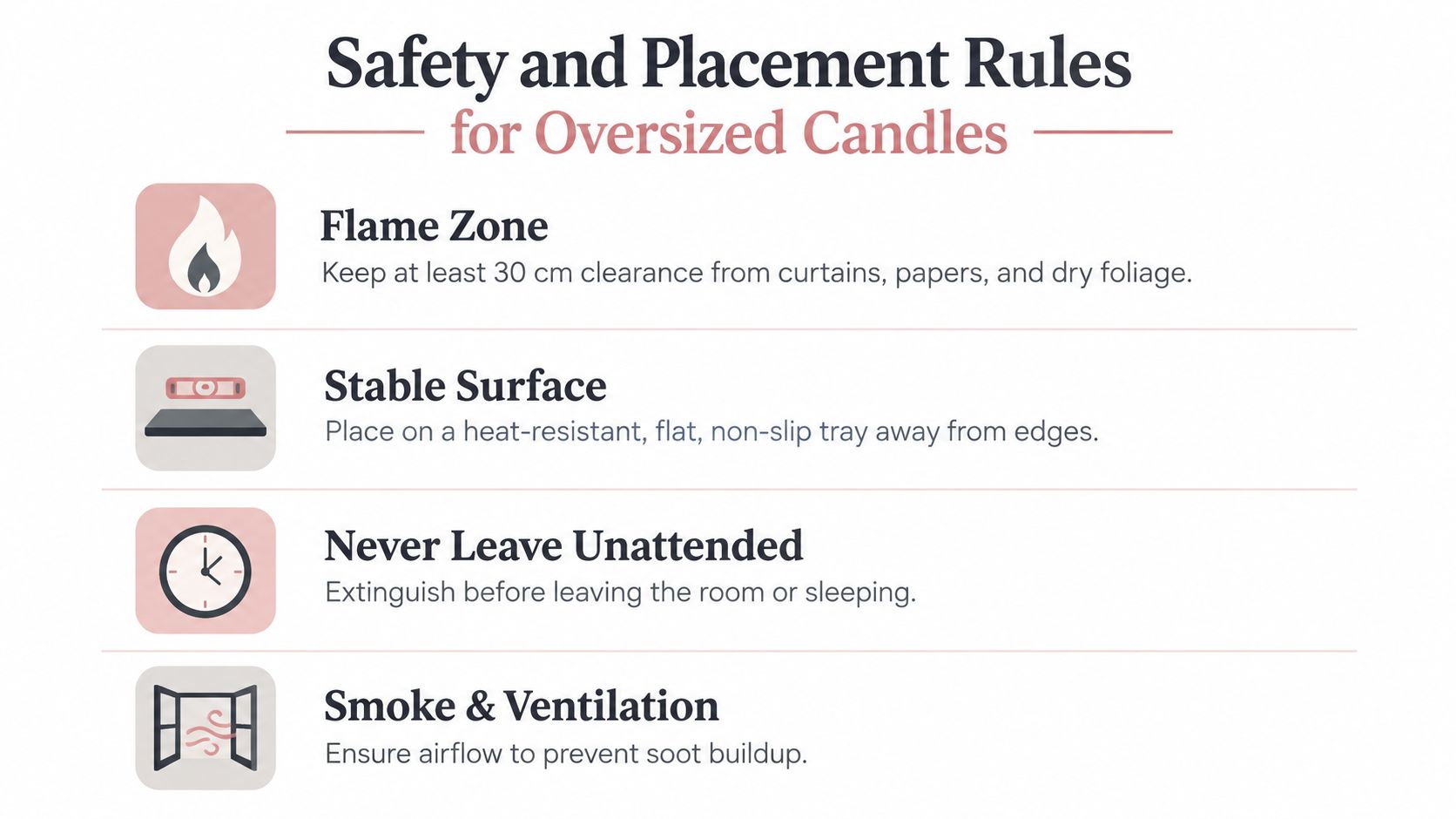
Give the flame a clear zone
Curtains, paper, dry foliage, table runners and decorative grasses all look lovely until they sit too close to an open flame. Keep the area above and around the candle uncluttered. A wide tray can help define the candle's position, catch minor wax drips and make the arrangement easier to move when the candle is unlit.
Choose a level, heat-resistant surface away from table edges and busy walkways. An open-plan room can be breezy even when the windows seem still, especially near fans, air-conditioning vents and frequently opened doors. If the flame flickers dramatically or the wax melts unevenly, relocate the candle once it's fully extinguished and cool.
Keep children and pets in mind
Cats, dogs, toddlers and enthusiastic guests don't always respect carefully styled vignettes. Place the candle where curious hands, tails and sleeves can't reach it, and never rely on a heavy-looking vessel as the only protection. Extinguish the flame before leaving the room or going to bed.
Product compliance matters too. Australian rules prohibit candle holders and decorations that ignite from candle heat and continue flaming for 5 seconds or more. The ACCC's candle-holder safety notice specifically identifies combustible materials including wood, plastic, fabric, feathers, pine cones, cardboard and paper as dangerous when used in this way.
A compliant candle should also be designed not to re-light spontaneously after being extinguished. That requirement appears in Australia's consumer product safety standard for candles, available through the relevant AustLII regulation. In everyday language, put the candle out properly, watch the wick after extinguishing and don't treat a glowing ember as the end of the story.
For an alternative way to enjoy fragrance without an open flame, Blushing Ivy's discussion of candle heat lamps may be useful. It doesn't remove the need to follow product instructions, but it can suit homes where flame placement is difficult.
Styling Your Statement Candle Around the Home
An extra large candle should look intentional before it's lit. Start with the room's existing shapes and textures. A stone tray, timber table, linen runner or ceramic bowl can give the vessel a visual frame, while a little empty space stops the arrangement from feeling crowded.
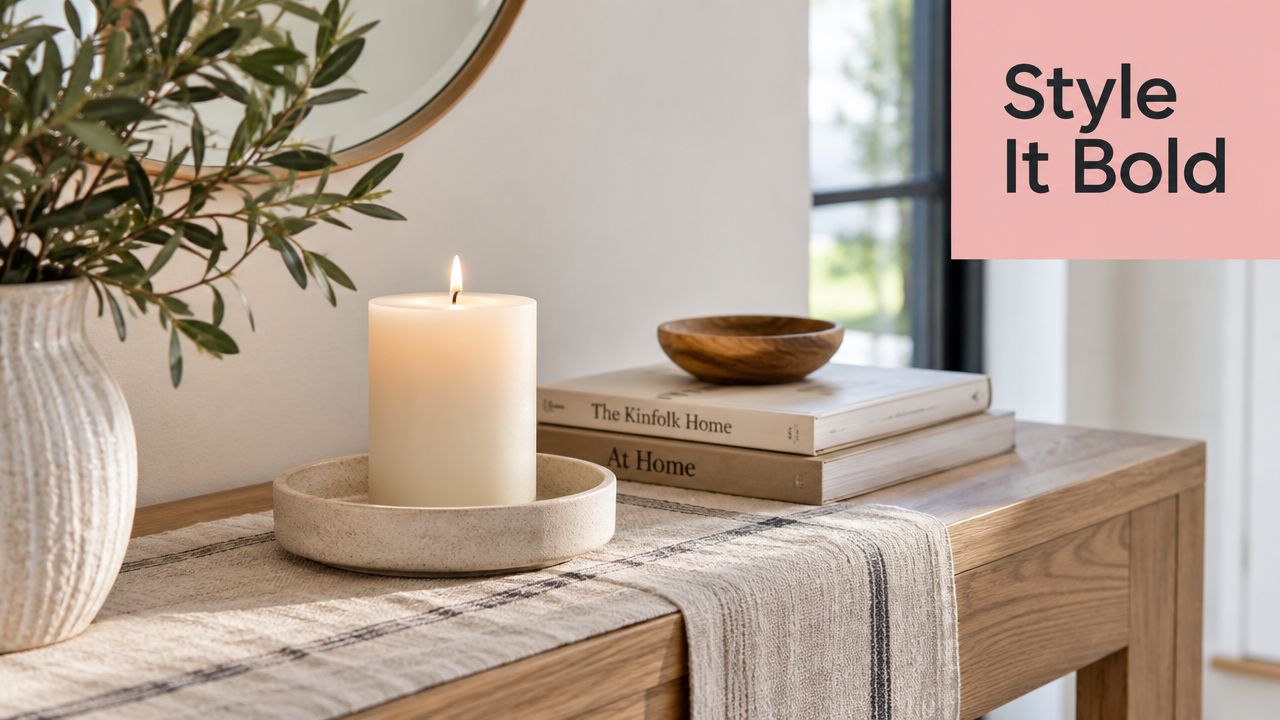
On a coffee table, pair the candle with low, quiet objects rather than competing ornaments. A stack of books, a small bowl of shells or a textured coaster can make the scene feel relaxed and collected. Leave enough clearance around the flame, and keep flammable styling pieces well away from the heat zone.
Match the fragrance to the room
In a bathroom, a serene floral or clean botanical fragrance can turn an ordinary shower into a calmer ritual. Think eucalyptus leaves after rain, soft native blooms or the cool freshness of a coastal breeze. In a dining area, warmer notes can sit beautifully behind conversation, especially when the scent has depth without overwhelming food.
An Australiana-inspired fragrance can bring a distinct sense of place. Kookaburra and banksia, native honey and bush florals suggest sun-warmed gardens and bush tracks, while a coastal profile can evoke sunscreen, salty air and a hot afternoon near the water. Those sensory details make the candle part of the room's story, not just another object on the table.
For a more polished, evening feel, the Wild Heath Society range offers a refined edge through scents such as smoky woods, amber, vetiver, cinnamon bark and crisp green notes. Use richer fragrances in studies, entertaining areas or rooms with deeper timber and leather textures. The aim isn't to make every room smell the same. It's to give each space its own little emotional postcode.
Here's a closer look at styling a large candle in a relaxed home setting:
Once the wax is finished, clean the vessel according to the maker's instructions and consider how it can live on. A useful container can hold cotton buds, small keepsakes, bathroom essentials or a few sprigs of dried foliage. Just make sure it's fully free from wax and heat damage before giving it a second life.
Essential Care and Maintenance for a Perfect Burn
Large candles reward patience. The first burn is especially important because it helps establish the way the wax melts across the vessel. If you extinguish the candle while only a small central pool has formed, the remaining wax may continue to melt in that narrow pattern, creating the familiar tunnel.
Start with the first burn
Allow the melt pool to reach the edge of the container before extinguishing, while staying within the maker's safety guidance. This helps the candle develop an even surface rather than creating a deep well around the wick. Wide vessels may take longer to establish an edge-to-edge pool, so plan the first burn for a calm period when you can keep an eye on it.
Keep the wick centred and remove debris before lighting. A stray match fragment or piece of wick can affect the flame and introduce unwanted smoke into the melt pool. If the candle behaves unusually, extinguish it rather than trying to rescue the burn while it's hot.
Make trimming a habit
Trim the wick to 2 to 5mm before each burn when that range is specified by the product care instructions. A shorter, tidy wick helps reduce soot build-up and keeps the flame from becoming unnecessarily large. Don't trim a hot wick, and remove the trimmed piece so it doesn't fall into the wax.
Draughts matter more in oversized formats because a moving flame can heat one side of the vessel more than the other. Keep the candle away from fans, open windows and air-conditioning flow. If you notice black marks, excessive flickering or a melt pool that's deeper on one side, extinguish the candle and reassess its position.
Never burn a candle below the maker's stated safe wax level. The vessel can become hotter as the wax gets low, and the wick may no longer behave as intended. For a practical refresher on expected candle performance and care, read Blushing Ivy's guide to soy candle burn time.
Extinguish with a snuffer or gentle blow, avoiding splashing hot wax. Let the vessel cool completely before moving it. The simple routine is trim, place safely, burn attentively and stop before the candle reaches its minimum safe level.
Gifting and Wholesale Opportunities for Boutiques
An oversized candle makes a strong gift because it feels substantial before the recipient has even lifted the lid. It suits housewarmings, birthdays, celebrations and thoughtful thank-yous, especially when the fragrance connects with a memory or place. A native botanical scent can feel distinctly Australian, while a refined wood, amber or fresh botanical blend may suit someone whose style is more understated.
Packaging adds to the moment. Blushing Ivy's supplied product details describe customised blush pink cylinder packaging with a gold logo and brand icons for the Classic Soy Candle, which means the presentation can arrive ready for gifting without another wrapping mission. That small detail matters when you're buying several gifts and your scissors have mysteriously disappeared again.
Why statement formats work in a boutique
For a small retailer, a large candle can create a visual anchor in a display. It gives shoppers something to notice from across the room, then opens a conversation about fragrance, vessel reuse and safe burning. Pairing an oversized centrepiece with smaller candles, diffusers or room fragrances can help customers shop by mood rather than only by product size.
Australian-made, small-batch pieces also give boutique owners a clear story to tell. Customers can learn where the product was made, what materials were used and how the fragrance relates to local settings. That story works particularly well for gifting, where buyers want an object that feels personal rather than pulled from a warehouse shelf.
A strong visual presentation matters online too. Retailers refining their content can explore this guide to how boutiques grow on Instagram for ideas about showing products, styling and customer experience in a more engaging way. The most effective imagery usually gives the candle a setting, not just a plain product shot.
Wholesale buyers should still check vessel safety, packaging durability, care information and supply arrangements before committing to a range. A gorgeous large candle needs reliable details behind the scenes, particularly when customers will use it for long, cosy evenings.
Common Misconceptions About Large Format Candles
The first misconception is that every large candle is automatically dangerous. Size increases the need for thoughtful placement and attentive burning, but it doesn't make a well-designed product unusable. A stable vessel, appropriate wick arrangement, clear care instructions and compliant construction all matter more than dramatic dimensions alone.
The second myth is that a huge flame creates the best fragrance. It doesn't. A flame that's too tall can produce excess heat, soot and uneven melting rather than a more beautiful scent experience. Fragrance throw comes from the relationship between wax, fragrance, wick, vessel and room conditions. Soy wax can provide an expressive fragrance experience when the formula and wick have been properly matched, so paraffin isn't the only route to a noticeable scent.
Bigger doesn't always mean stronger
An oversized candle may suit a large room, but a compact room can become overwhelmed if the fragrance is too rich or the candle is placed near a warm, enclosed area. Choose the scent according to the mood you want, not the size you want to show off. A gentle coastal fragrance can make an open-plan space feel breezy and bright, while a dense amber or smoky profile may be better reserved for a smaller evening setting.
The final misconception concerns disposal. Packaging and candle material don't all belong in the same bin. Victorian government guidance recommends separating unavoidable packaging into glass, plastic, paper and metal for kerbside recycling, while a NSW council guide advises placing used candles in the red-lid general waste bin because materials such as paraffin wax aren't recyclable. Check your local council's rules, clean reusable vessels where appropriate and don't place leftover wax in the recycling bin.
The broader Australian category gives large-format candles plenty of room to exist. Australia's candle market was estimated at AUD 130.57 million in 2025 and is projected to reach AUD 200.84 million by 2035, with a projected compound annual growth rate of 4.40% across 2026 to 2035, according to Expert Market Research's Australia candle market overview. The wider candles and tapers market reached 102K tons of consumption in 2024, with a market value of about $1.1B, and is projected to reach 117K tons and about $1.5B by 2035, as reported in IndexBox's Australian market analysis. Those figures show a broad category with room for everything from small everyday candles to substantial centrepieces, but they don't change the golden rule: buy the format that suits your space, then burn it with care.
Blushing Ivy Home Fragrance offers handcrafted Sunshine Coast candles made with 100% natural soy wax and Australian-made, essential oil-based fragrances, alongside diffusers, room sprays and giftable home fragrance pieces. Explore the collection at Blushing Ivy Home Fragrance to find a scent and format that brings a little more warmth, character and happy-place feeling to your home.